How Long Will an RV Battery Last Boondocking? Load Math for 14 Common Draws

Battery runtime math
- List every 12 V draw Amps x hours = Ah Forgotten phantom loads
- Add inverter overhead W ÷ 12.5 ÷ 0.85 Idle draw 0.5-1.5 A
- Total daily Ah 30-50 mild, 70-100 cold
- Usable bank capacity 50% lead, 80-100% lithium Counting the whole label
- Derate for cold -20% at 32°F lead Lithium charge lockout
- Divide, round down Days before recharge Verify with shunt monitor
Battery runtime calculator
Tick the loads you run, set the bank and the temperature, get days of runtime and the solar to break even.
Open the calculator →Watch it done
Videos are from the channels named, not Chock & Level. Where a video and your manual disagree, follow the manual. Playing a video loads YouTube, which sets its own cookies.
The honest answer is one to three nights for most trailers as delivered, and the difference between one and three is almost entirely the furnace, the fridge, and whether the battery is a single Group 24 or something bigger. You can get a real number for your rig in 20 minutes with a pencil.
Three numbers decide it. How many amp-hours (Ah) you pull in a day. How many Ah your bank can give up before you hurt it. And how cold it is, because lead-acid capacity drops hard below freezing. Divide the second by the first, adjust for the third, and that’s your days.
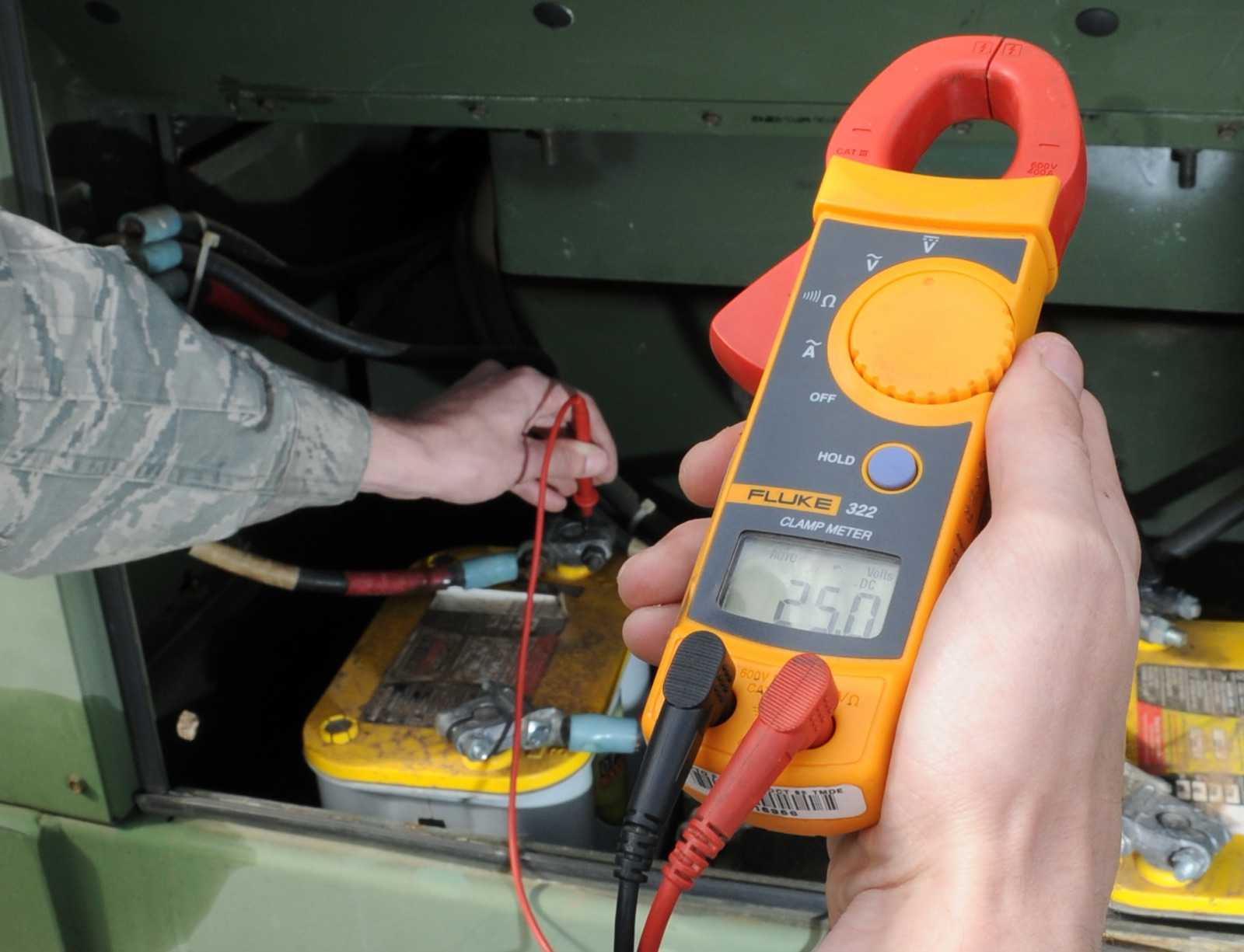
Every draw figure below is a manufacturer spec or a widely published typical range, and is labeled as such; your rig will differ. A clamp DC ammeter or a shunt monitor on the battery negative turns these estimates into your actual numbers, and the site’s battery runtime calculator does the arithmetic once you have them.
Quick answer. A couple in a travel trailer running an absorption fridge on propane, LED lights, the water pump, phones, and a laptop uses roughly 30 to 50 Ah a day. Add the furnace on a 40°F night and it's 70 to 100 Ah. A single Group 24 flooded battery has about 35 to 40 usable Ah: one mild night or half a cold one. A pair of 6 V GC2 golf cart batteries has about 110 usable Ah: two to three mild nights, one cold one. Two 100 Ah LiFePO4 batteries have 160 to 200 usable Ah: four or five mild nights, two cold ones.
How battery capacity is rated, and what you can actually use
A deep-cycle battery’s amp-hour rating is the 20-hour rate: a 100 Ah battery delivers 5 A for 20 hours at 77°F before it reaches 10.5 V. Pull harder than 5 A and you get fewer total Ah (the Peukert effect, below). Pull it below freezing and you get fewer still.
You also can’t use all of it without shortening its life. Flooded lead-acid wants to stop at 50 percent depth of discharge (DOD); Trojan’s published cycle-life curve for the T-105 shows roughly 1,200 cycles at 50 percent DOD against roughly 600 to 750 at 80 percent. AGM tolerates 50 to 60 percent routinely. LiFePO4 is rated for 80 to 100 percent; Battle Born rates the BB10012 for 100 percent DOD, though most owners stop at 80 to 90 percent for margin.
| Battery | Nominal capacity (20-hr) | Usable at recommended DOD |
|---|---|---|
| Group 24 flooded (the common trailer battery) | 70 to 85 Ah | 35 to 42 Ah |
| Group 27 flooded (Trojan 27TMX: 105 Ah) | 85 to 105 Ah | 42 to 52 Ah |
| Group 31 flooded or AGM | 95 to 125 Ah | 48 to 70 Ah |
| Group 27 AGM (Lifeline GPL-27T: 100 Ah) | 90 to 100 Ah | 50 to 60 Ah |
| Two 6 V GC2 in series (Trojan T-105: 225 Ah) | 215 to 235 Ah at 12 V | 108 to 118 Ah |
| 100 Ah 12 V LiFePO4 (Battle Born BB10012 and similar) | 100 Ah | 80 to 100 Ah |
Two Group 27s in parallel double the Ah. Two GC2s in series do not; you get 225 Ah at 12 V, not 450. If your trailer came with one Group 24, you’re working with roughly 40 usable Ah before the first cold night.
Step 1List every 12 V draw and how long it runs
These 14 draws account for nearly all the consumption in a typical trailer. Current figures are typical ranges from manufacturer manuals and published specs. The hours column is an assumption; adjust it to your habits.
| Load | Typical current | Typical daily run | Ah per day |
|---|---|---|---|
| Furnace blower (Suburban NT/SF 30,000 BTU/h, Atwood 8500) | 7 to 11 A | 8 hr at 40 to 50% duty = 3.5 to 4 hr | 25 to 45 |
| 12 V compressor fridge (10 to 12 cu ft) | 3 to 6 A running | 30 to 50% duty over 24 hr = 7 to 12 hr | 25 to 60 |
| Absorption fridge on propane (control board, igniter) | 0.3 to 0.5 A | 24 hr | 7 to 12 |
| LED lights | 0.1 to 0.2 A each | 6 lights, 4 hr | 2.5 to 5 |
| Incandescent lights (older rigs) | 1 to 1.5 A each | 4 lights, 4 hr | 16 to 24 |
| Water pump (Shurflo 4008 class) | 4 to 8 A while running | 15 to 20 min total | 1 to 3 |
| CPAP | 1 to 5 A (humidifier and heated hose at the top end) | 8 hr | 8 to 40 |
| Starlink via inverter | 50 to 75 W = roughly 4 to 7 A | 8 hr | 32 to 56 (triple it if left on all day) |
| Laptop via inverter | 3 to 5 A | 3 hr | 9 to 15 |
| TV (12 V or via inverter) | 2 to 4 A | 3 hr | 6 to 12 |
| MaxxAir or Fan-Tastic roof fan | 0.3 A low to 3 A high | 8 hr | 2.5 to 24 |
| Inverter idle (on, nothing running) | 0.5 to 1.5 A | however long you leave it on | 4 to 36 |
| Phantom loads (LP and CO detectors, stereo memory, antenna booster, thermostat, controllers) | 0.3 to 1 A total | 24 hr | 7 to 24 |
| Slide motor | 15 to 30 A for 30 to 60 s | once in, once out | under 1 |
The furnace is the one that surprises people. The blower runs the whole time the burner does, plus a purge before and a cool-down after. A 30,000 BTU/h furnace in a 25 ft trailer at 40°F outside typically cycles 40 to 50 percent of the time; at 20°F, 60 to 70 percent or more depending on insulation. Multiply blower current by the hours the blower actually runs, not the hours the thermostat is on.
The 12 V compressor fridge is the other. A Norcold N10DC or Furrion Arctic is efficient per cycle but runs around the clock, and duty cycle climbs with the inside temperature of the trailer and how often the door opens. The 3 to 6 A running figure is from the manufacturers; the 30 to 50 percent duty is a typical range, not a measurement, and on a 95°F day assume the high end.
Phantom loads run all 24 hours and are easy to forget: the LP detector at about 0.1 A, a hardwired CO alarm, the stereo memory, the TV antenna booster, a leveling controller or OneControl hub idling. Half an amp around the clock is 12 Ah a day, a third of a Group 24’s usable capacity doing nothing.
Step 2Anything through the inverter costs extra
Watts on the 120 V side become amps on the 12 V side at roughly watts ÷ 12.5 V ÷ 0.85 (inverter efficiency). Starlink’s published averages are 50 to 75 W for the Standard Actuated (Gen 2) dish, 75 to 100 W for the newer Standard, and 25 to 40 W for the Mini; through an inverter that’s about 4.7 to 7 A, 7 to 9.5 A, and 2.5 to 4 A. Add the inverter’s own idle draw on top: 0.5 to 1.5 A for a typical 1,000 to 2,000 W unit even with nothing plugged in.
Turning the inverter off when you’re done with it is worth 10 to 30 Ah a day on its own, which is why it ranks with the furnace as a place to save.
Step 3Cold, Peukert, and the derating you can’t skip
Lead-acid batteries deliver less capacity as temperature drops. The commonly published curve puts a flooded or AGM battery at roughly 80 percent of rated capacity at 32°F and 50 to 60 percent at 0°F, on top of the 50 percent DOD limit. A Group 24 rated at 80 Ah is about 64 Ah at freezing, so 32 Ah usable, and the furnace runs hardest on exactly those nights.
Peukert’s exponent describes the second penalty: higher discharge current yields fewer total Ah than the 20-hour rating. Lead-acid batteries typically run a Peukert exponent of 1.1 to 1.3, so a bank pulling a steady 10 A (furnace plus phantom loads) from a 100 Ah battery delivers closer to 85 Ah than 100 before it hits the cutoff. The lower the load relative to the bank, the smaller the effect, which is one reason a big bank lasts longer than the simple math suggests.
LiFePO4 handles both better. Discharge capacity at 32°F is typically 85 to 95 percent of rated, and the Peukert exponent is close to 1.0, so a 100 Ah lithium gives up nearly 100 Ah whether you pull 5 A or 50 A. The catch is charging: most BMS units block charging below 32°F, so a cold morning with solar or the truck puts nothing back until the battery warms.
A rule of thumb that holds up: for lead-acid, cut usable capacity by 20 percent at freezing and 40 percent at 0°F. For lithium, cut 10 percent at freezing and plan around the charging lockout.
Step 4The formula and a worked example
Daily Ah ÷ usable Ah = days. Round down. Then derate for temperature.
Here’s a couple in a 25 ft travel trailer, absorption fridge on propane, early October in the mountains, 40°F at night. Every figure is a typical value from the table above.
| Load | Current | Hours | Ah/day |
|---|---|---|---|
| Furnace blower | 9 A | 3.5 (8 hr at about 45% duty) | 31 |
| Absorption fridge board | 0.4 A | 24 | 10 |
| LED lights, 6 fixtures | 0.15 A each | 4 | 3.6 |
| Water pump | 6 A | 0.3 | 1.8 |
| Laptop via inverter | 4 A | 3 | 12 |
| Phones and tablet via 12 V USB | 1.5 A | 3 | 4.5 |
| MaxxAir fan, low | 0.5 A | 6 | 3 |
| Inverter idle | 0.8 A | 4 | 3.2 |
| Phantom loads | 0.5 A | 24 | 12 |
| Total | 81 Ah/day |
Now the banks, at 40°F (call it a 15 percent lead-acid derate, 5 percent lithium):
| Bank | Usable Ah at 77°F | Usable at 40°F | Days at 81 Ah/day |
|---|---|---|---|
| One Group 24 flooded (80 Ah) | 40 | 34 | 0.4 (the LP detector chirps around 3 a.m.) |
| Two Group 27 flooded in parallel (210 Ah) | 105 | 89 | 1.1 |
| Two GC2 6 V in series (225 Ah) | 112 | 95 | 1.2 |
| Two 100 Ah LiFePO4 (200 Ah) at 90% DOD | 180 | 171 | 2.1 |
Turn the furnace off and the same couple is at 50 Ah a day: the GC2 pair goes two nights, the lithium pair three and a half. Swap the absorption fridge for a 12 V compressor fridge and add 40 Ah back; the GC2 pair is at 0.8 days, which is why newer trailers with 12 V fridges ship with lithium or expect you to add solar.
Run your own numbers through the battery runtime calculator; it carries the DOD and temperature derate so you don’t have to.
Step 5The cheap fixes, ranked by Ah saved
- Turn the inverter off when nothing’s plugged in. 10 to 30 Ah a day.
- Drop the furnace setpoint 5°F and close the bedroom registers you don’t need. A sleeping bag rated for the temperature does more than any battery.
- Starlink on a schedule, not all day. 16 hours off saves 60 to 100 Ah.
- Replace incandescent bulbs. Four incandescent fixtures for four hours is 20 Ah; the same light in LED is 3 Ah.
- Run the absorption fridge on propane, never on 12 V. Three-way fridges with a 12 V heating element pull 10 to 15 A continuously on that setting.
- Find your phantom load. Turn everything off, put a clamp meter on the battery negative, and pull fuses one at a time. Anything over 0.5 A with the rig “off” is worth chasing.
The honest limits of this math
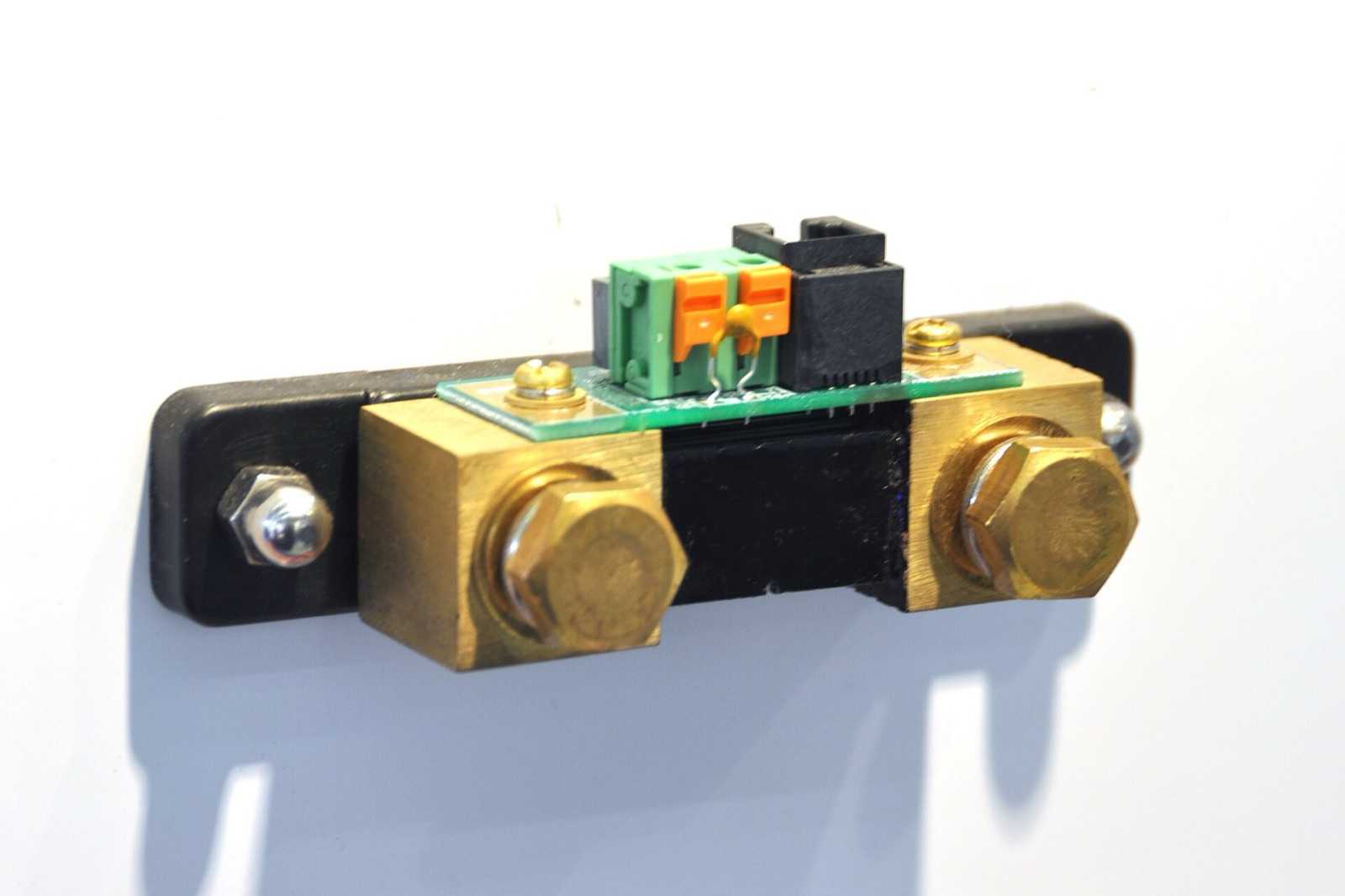
Voltage is a poor fuel gauge. A lead-acid battery under a 9 A furnace load reads 0.3 to 0.5 V below its resting voltage, and lithium reads about 13.2 V from 30 to 90 percent. A shunt-based monitor (Victron SmartShunt or BMV-712, Renogy’s shunt monitor) counts Ah in and out and is the only way to know your real daily consumption. Owners who install one commonly report actual use 10 to 30 percent above the pencil estimate.
Batteries age. A three-year-old Group 24 that was left at 50 percent over winter might have 60 percent of its label capacity. The tables assume a healthy bank.
Solar changes the formula and nothing in the loads. 200 W of panels in October at a mountain latitude returns perhaps 40 to 60 Ah on a clear day, half that under trees or clouds. Subtract what solar returns from the daily total before dividing.
Symptom → what it tells you
| What you see | What it means | Fix |
|---|---|---|
| LP detector chirps around 3 a.m. on cold nights only | Bank too small for the furnace load; voltage sagging to 10.5 V | Bigger bank, lower setpoint, or charge before bed |
| 12.6 V at bedtime, 11.9 V by morning with no furnace | Phantom or inverter idle draw, or a battery with lost capacity | Clamp meter on negative with everything off; load test |
| Lithium shows 13.2 V all evening, then drops to 12.0 V in minutes | Normal lithium curve reaching the knee; you’re nearly empty | Shunt monitor; recharge |
| Fridge on 12 V kills the bank in a night | Compressor fridge duty cycle high, or three-way fridge on its 12 V element | Check mode; shade the rig; more capacity |
| Furnace won’t light on battery, works on shore power | Voltage sag under blower load | See the furnace guide; charge or replace the battery |
| Battery won’t take charge in the morning from solar or the truck | Lithium BMS cold lockout, or lead-acid too far gone | Warm the battery; load test |
Stop and take the battery out of service if: a flooded battery is hot to the touch, hissing, or smells of rotten eggs (hydrogen sulfide) while charging; the case of any battery is swollen or bulging, which on a lithium battery means a cell has failed and the battery is a fire hazard; a terminal or cable is too hot to hold with the furnace running; or you see electrolyte on top of a flooded battery. Disconnect the negative first, ventilate the compartment, and don't charge it again until a shop has looked at it.
Parts and tools mentioned
- Clamp DC ammeter (must be DC-capable; most cheap clamp meters read AC only)
- Shunt battery monitor: Victron SmartShunt or BMV-712, Renogy 500 A shunt monitor
- Digital multimeter
- Hydrometer for flooded batteries
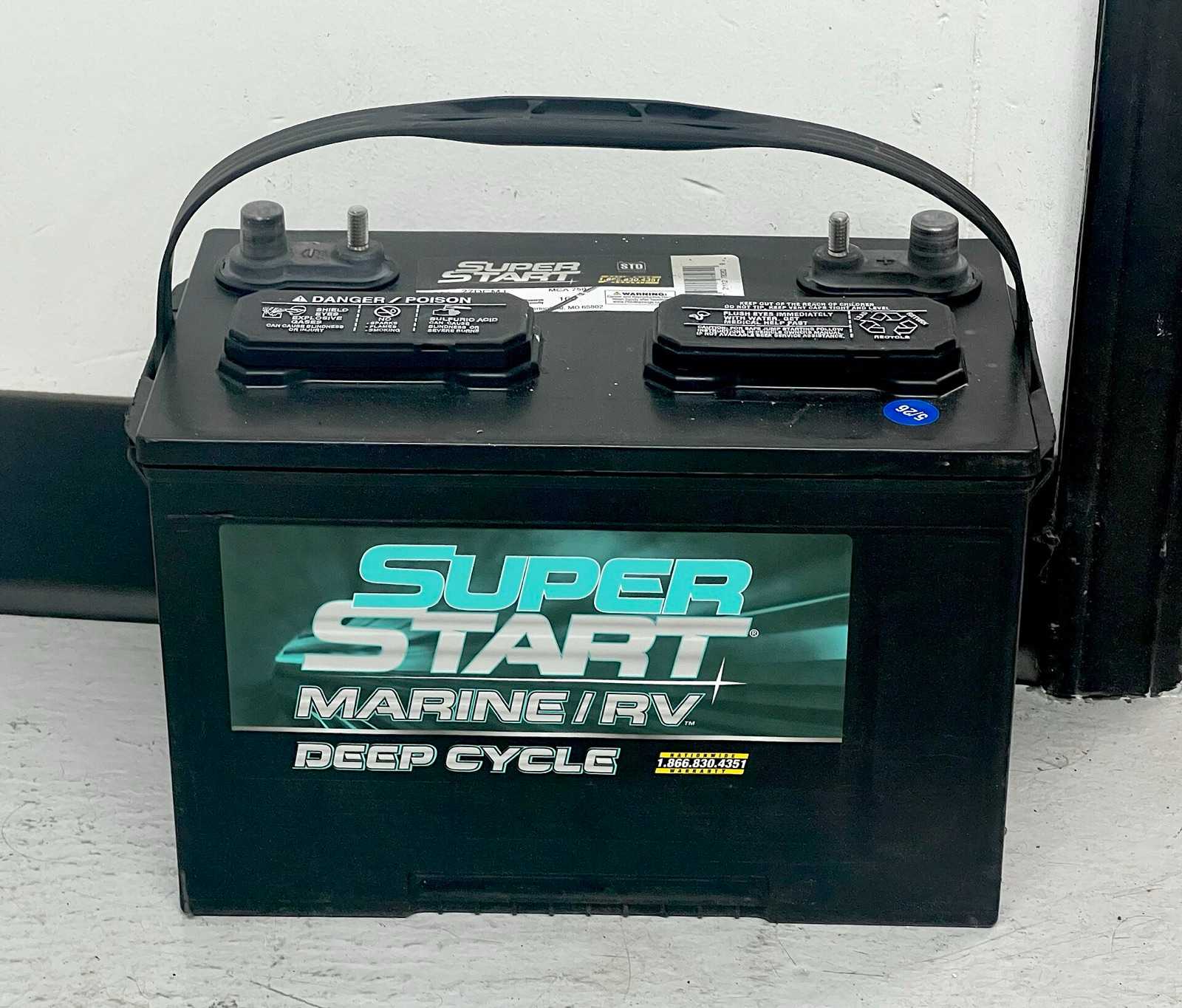
- Batteries referenced: Trojan T-105 (6 V GC2, 225 Ah), Trojan 27TMX (Group 27, 105 Ah), Lifeline GPL-27T (AGM, 100 Ah), Battle Born BB10012 (LiFePO4, 100 Ah)
Questions people ask next
Can I just add a second Group 24? Yes, in parallel, and it doubles usable Ah to about 80. Match age and type; a new battery paralleled with a tired one gets dragged down to its level. A pair of GC2s in series costs about the same, fits a similar footprint if the box is tall enough, and gives you 225 Ah with far better cycle life.
How much does the furnace actually use overnight? At a 7 to 11 A blower draw and a 40 to 50 percent duty cycle on a 40°F night, 25 to 45 Ah over 8 hours. At 20°F with a 70 percent duty cycle, 40 to 60 Ah. On a single Group 24 that’s the whole battery.
Is a 12 V compressor fridge really worse than absorption for boondocking? For battery life, yes: 25 to 60 Ah a day against 7 to 12 Ah for an absorption fridge’s control board on propane. The compressor fridge cools better, works at any angle, and uses no propane, which is why manufacturers switched. It assumes you’ll bring lithium and solar to feed it.
Do I need to stop at 80 percent on lithium, or can I use all of it? Battle Born and most LiFePO4 makers rate for 100 percent DOD. Stopping at 80 to 90 percent leaves margin for the voltage knee, keeps the BMS from cutting out mid-furnace-cycle, and adds cycle life. Either way it’s roughly double the usable capacity of a lead-acid bank with the same label rating.
Photos


Manuals and references consulted
- Trojan Battery T-105 and 27TMX data sheets (20-hour capacity ratings, cycle life vs. depth of discharge)
- Lifeline Battery GPL-27T and GPL-31T data sheets (AGM capacity and depth-of-discharge guidance)
- Battle Born Batteries BB10012 specifications and LiFePO4 depth-of-discharge guidance
- Suburban NT/SF-Series and Atwood 8500 Series furnace manuals (blower current)
- Dometic CFX series and Norcold N10DC owner's manuals (12 V compressor draw)
- Starlink published power consumption specifications (Standard, Standard Actuated, Mini)
- BCI Battery Replacement Data Book (Group 24, 27, 31 typical capacities)